Solution
Citrine's Graphical Materials Data Model
The scalable data model built for materials science and chemistry. Preserving relationships, capturing detail, and powering next-generation AI-driven R&D workflows.
Preserving The Relationships That Matter
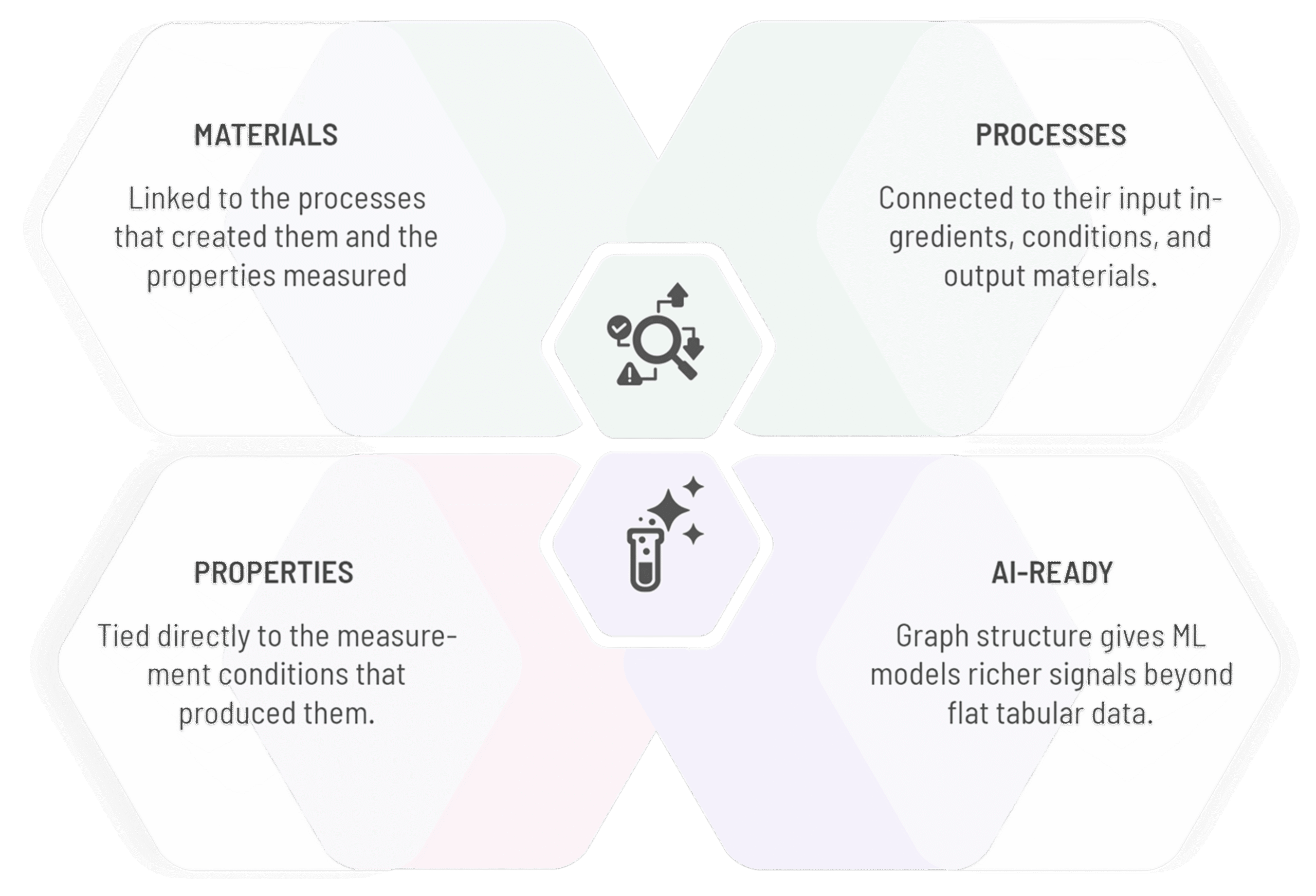
Most data formats lose the critical links between materials, processes, properties, and parameters. Our data model is built differently. Its graph-based architecture explicitly encodes these relationships, giving AI and machine learning models the rich contextual structure they need to surface deeper insights and make better predictions.
Capturing the Detail
The devil is in the details. Citrine’s data model doesn’t let any of it slip through the cracks. Every experiment generates two layers of truth: what you intended and what you observed. We capture both.
Enables Holistic Modelling
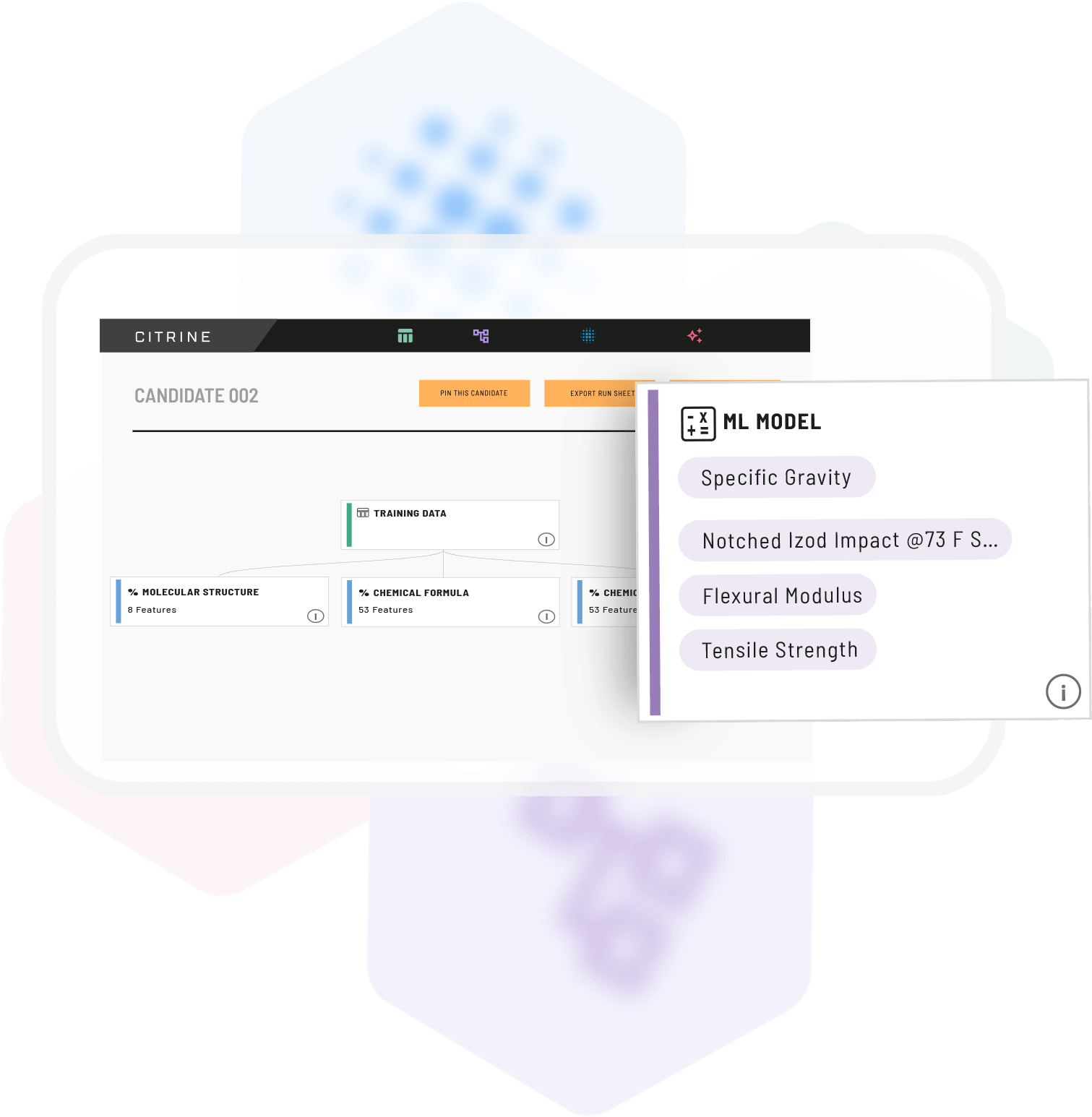
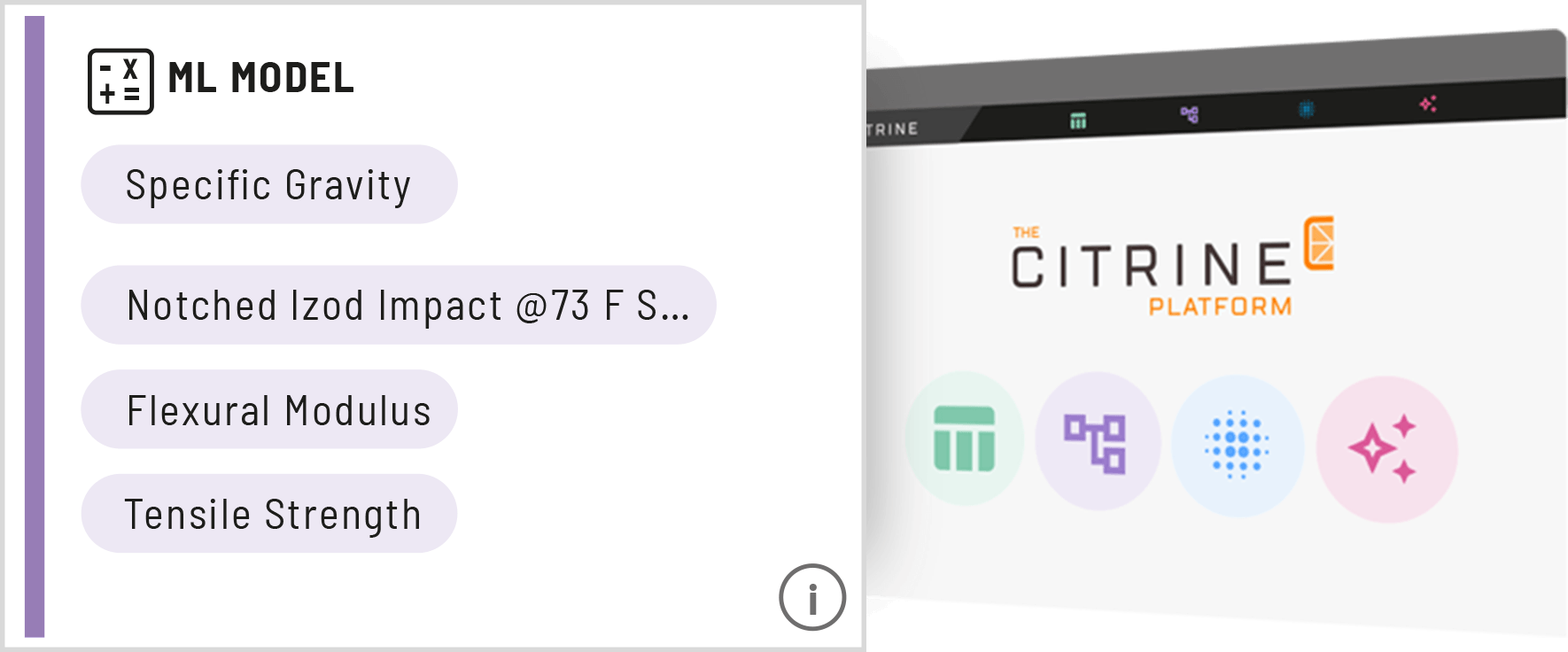
Just as easy to model one property as it is to model 23. Build a complete data picture.
Conditions + Results Together
Test conditions and outcomes are stored in context—never separated. Whether it’s temperature, humidity, or sample geometry, the full experimental context travels with the result.
Harmonizing Data Across Teams And Borders
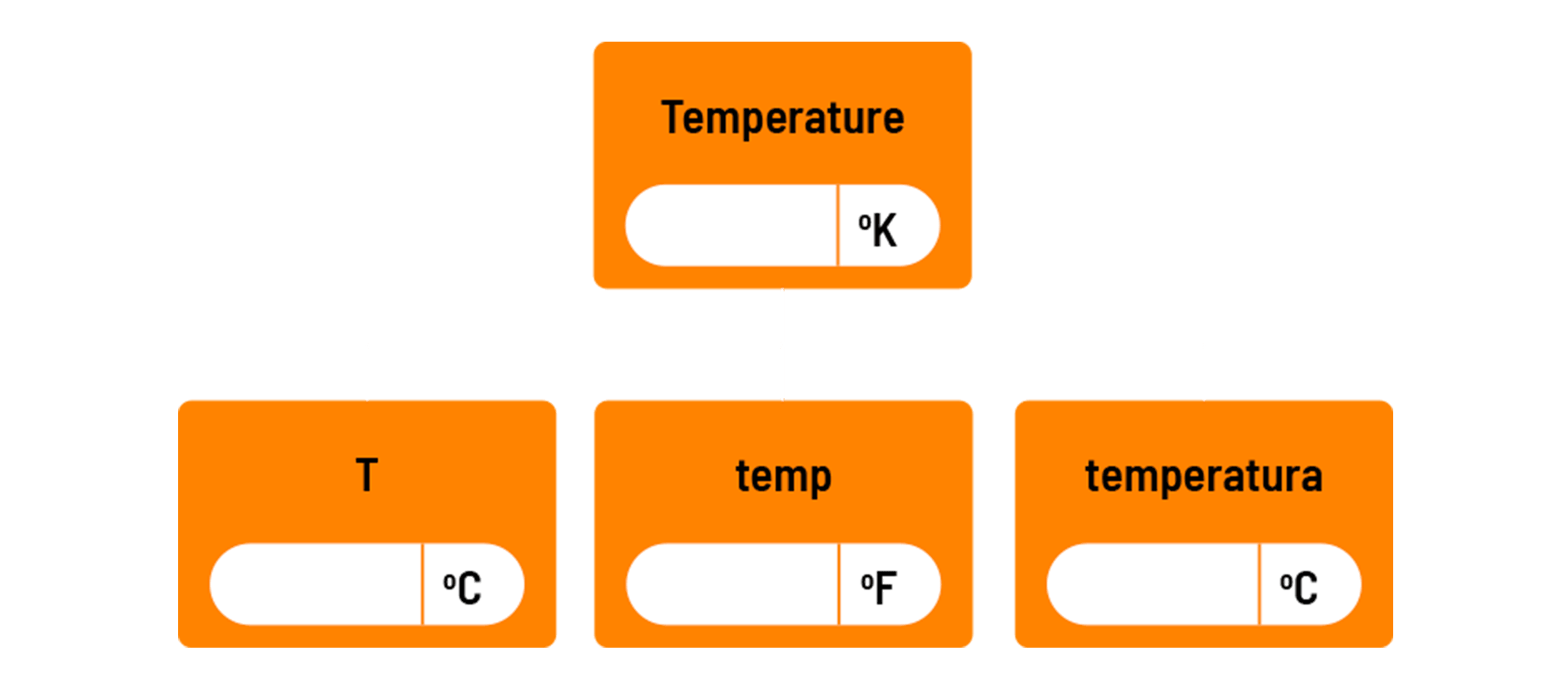
When different labs, suppliers, or global teams record the same material property using different units or terminology (but same standards), comparison becomes impossible, until now. Citrine’s Data Model provides a shared semantic layer that reconciles naming conventions and unit systems into a unified, queryable dataset.
Cross-Border Naming
Map locally used property names, from any language or internal convention, to a shared canonical term without altering the original data.
Unit Reconciliation
Automatically reconcile MPa vs. psi, Celsius vs. Fahrenheit, and other unit mismatches across distributed data sources using shared definitions.
Unified Queries
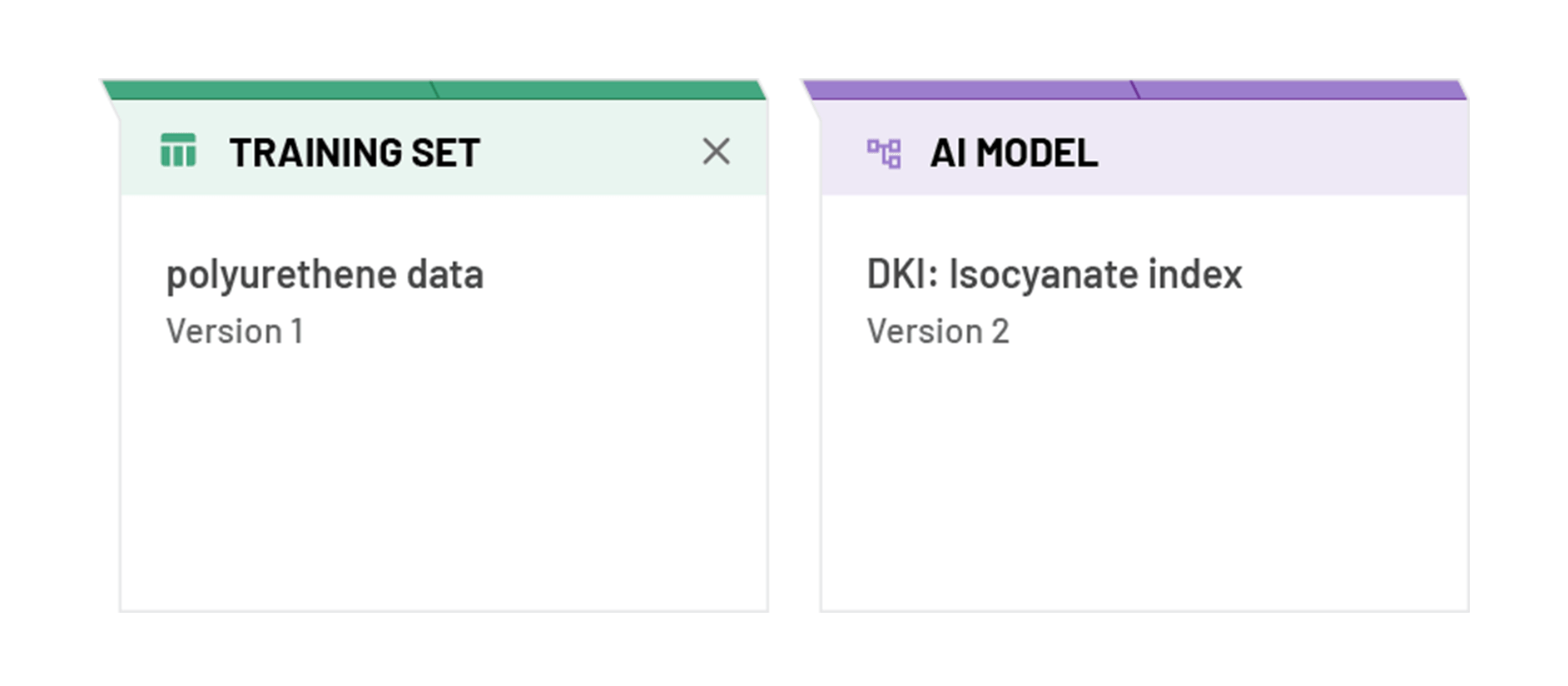
Once harmonized, data from disparate sources can be queried, compared, and fed into models as if it originated from a single coordinated experiment.
Built To Scale With Your Research
Citrine’s data model never turns away data. As your research evolves, new properties emerge, novel processes enter the workflow, and experimental scope expands, the graph-based model accommodates it all without schema rewrites or data migration headaches.